



19 Jan North Hill: Where Pensacola Watched America Take Shape
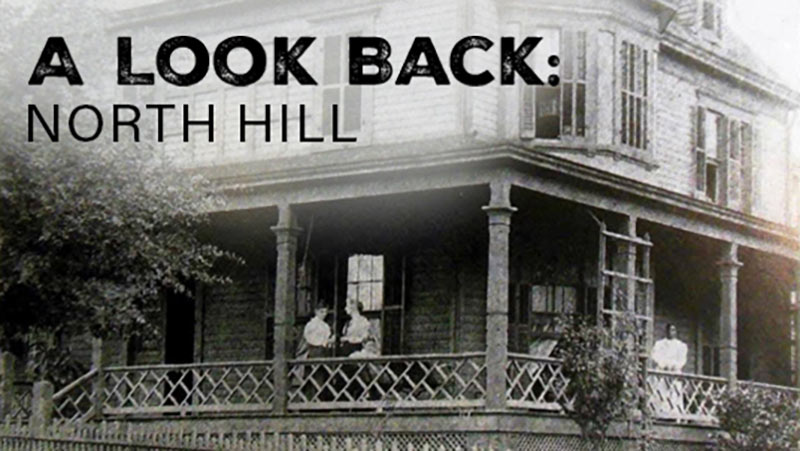
Long before North Hill became one of Pensacola’s most beloved historic neighborhoods, it stood quietly above the harbor, watching history unfold below.
In the late 18th century, as the American colonies fought for independence, the wooded hill north of Pensacola’s waterfront became a frontline in a global struggle. In 1781, Spanish forces under General Bernardo de Gálvez clashed with the British at Fort George, a battle that surged up the crest of North Hill along what’s now called Palafox Street. The Spanish victory helped weaken British control along the Gulf Coast and played a meaningful role in the eventual success of the American Revolution. Today, Fort George Memorial Park, a reconstructed portion of the fort built on its original foundation, marks that pivotal moment within the boundaries of modern-day North Hill.
As the new United States found its footing, Pensacola remained a strategic port city, passing through periods of Spanish, British, and American control. For much of the early 19th century, North Hill remained largely undeveloped. While America expanded westward, fought the War of 1812, and later endured the divisions of the Civil War, the hill stood largely unchanged, its future still waiting.
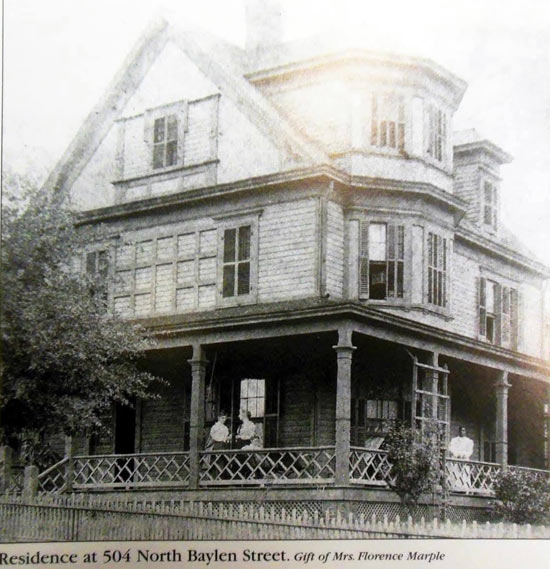
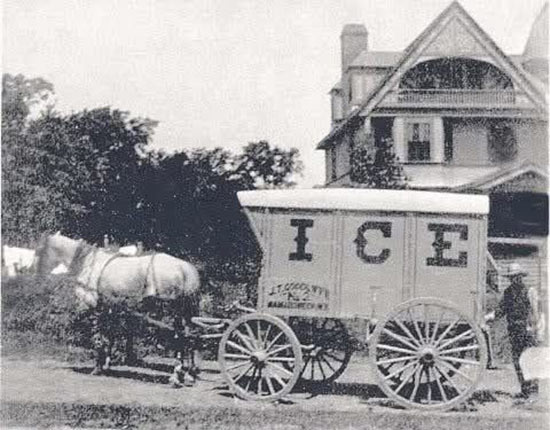
That future began to take shape in the late 1800s, as Pensacola entered the industrial age. The rise of lumbering and maritime industries transformed the city into one of the busiest ports on the Gulf Coast. After the Civil War, as the nation rebuilt after Reconstruction and surged into the Gilded Age, Pensacola’s population grew and attention turned north. The shaded slopes of North Hill offered space, elevation, and prestige, making it an ideal setting for a new residential neighborhood.
Between the 1870s and the early 20th century, North Hill blossomed alongside a rapidly modernizing America. As electric lights replaced gas lamps, streetcars reshaped cities, and the country entered a new century, stately homes rose among the pines. Built from Northwest Florida’s abundant yellow pine, these houses reflected both craftsmanship and opulence with lavish woodwork, grand staircases, and ornate details that spoke to prosperity and permanence.
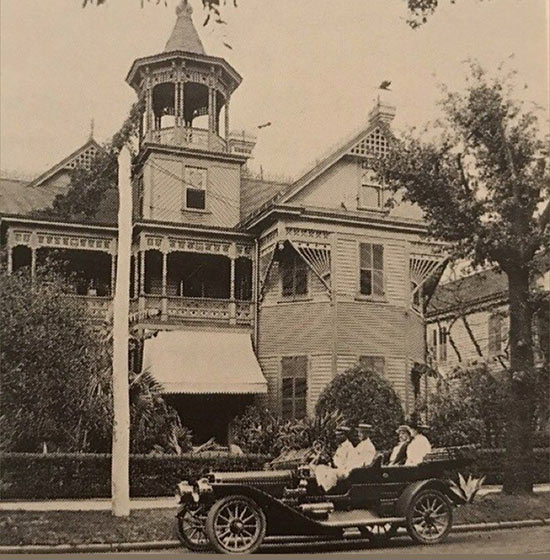
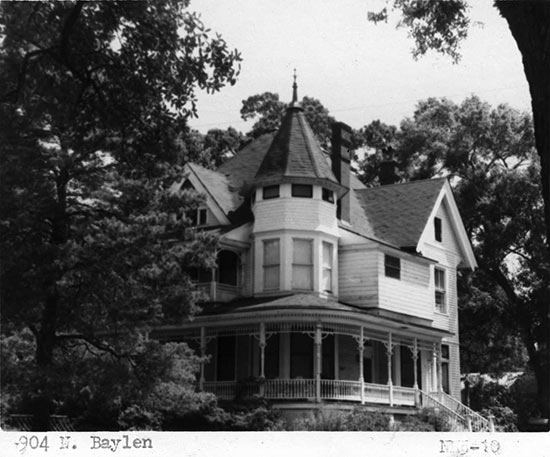
Lumber barons, shipping magnates, bankers, attorneys, and physicians chose North Hill for its elevation, cooling breezes, and sense of refinement. Families whose names were already woven into the fabric of Pensacola, including the Barkers, Hyers, Turners, DeVilliers, Blounts, Chipleys, Brents, Morenos, Baars, Maxwells, and Averys, began building homes that reflected both success and permanence. Their homes were not simply residences, but expressions of optimism in a city coming into its own on the national stage. Between 1870 and 1920, more than 300 homes were built, representing architectural styles that mirrored changing tastes and ideals, from Queen Anne and Craftsman to Colonial Revival, Tudor Revival, Art Deco, and early Mid-Century Modern designs.
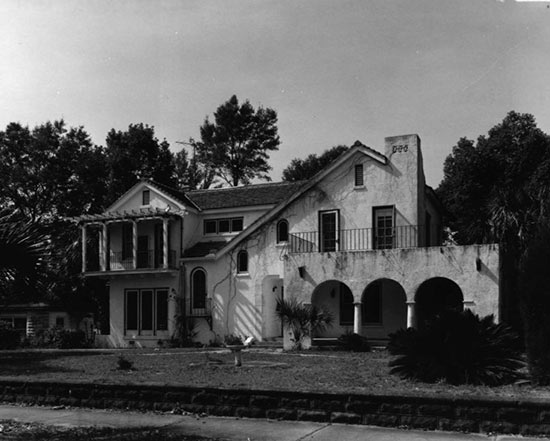
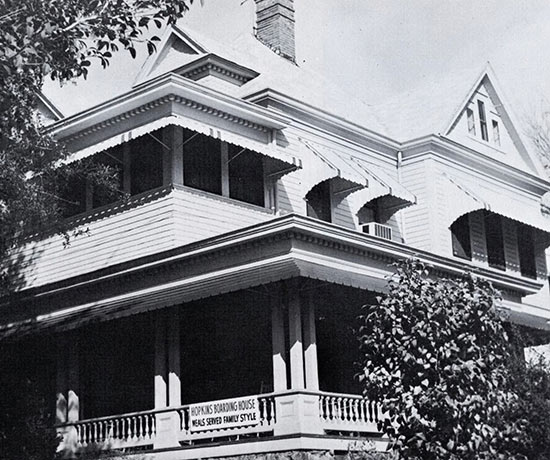
North Hill continued to grow through some of the nation’s most defining eras. Its homes sheltered families during World War I, endured the hardships of the Great Depression, and adapted as America mobilized for World War II. As America entered the postwar years and the suburbs expanded outward, North Hill remained a steadfast link to Pensacola’s past. Some homes stayed in the hands of the original families for generations. Others weathered periods of decline before being lovingly restored by homeowners determined to preserve the neighborhood’s character.
North Hill was officially recognized as a historic district when it was listed on the U.S. National Register of Historic Places on May 9, 1983. This national designation followed local preservation efforts in the early 1970s to protect the neighborhood’s architectural and cultural heritage.
Today, North Hill is a living historic district, one where more than two centuries of American history quietly coexist. Its streets tell stories of revolution and recovery, growth and resilience, tradition and renewal.
At Pensacola Energy, we’re proud to serve neighborhoods like historic North Hill, places that have witnessed the nation’s journey firsthand and continue to shine as enduring symbols of community, history, and home.
Sorry, the comment form is closed at this time.