



17 Feb When the Music Hit the Blocks: Belmont-DeVilliers, Pensacola’s Harlem of the South
If walls could talk, the buildings along DeVilliers Street would sing the Blues. Just west of downtown Pensacola, the Belmont-DeVilliers neighborhood, known as “the Blocks,” has been the city’s cultural heartbeat for well over a century.
The neighborhood took shape in the late 1800s and early 1900s, as Pensacola grew as a port city and the nation settled into the realities of Jim Crow segregation. Across the South, black communities were pushed into defined areas. What Belmont-DeVilliers became, however, was something far greater than a boundary. It was a destination.
One of the key figures behind the neighborhood’s early development was John Sunday Jr., born in Pensacola in 1838 to a Dutch cattleman and his biracial enslaved wife, Jinny. Raised a free man, he worked as a cabinetmaker, served in the Union Army, and after the Civil War became one of the city’s most influential black businessmen. Elected to the Florida Legislature in 1873 and later a city alderman, Sunday built hundreds of homes and owned multiple businesses. As segregation pushed Black commerce out of downtown, he helped establish Belmont-DeVilliers as its new center, laying the foundation for the thriving community that followed.
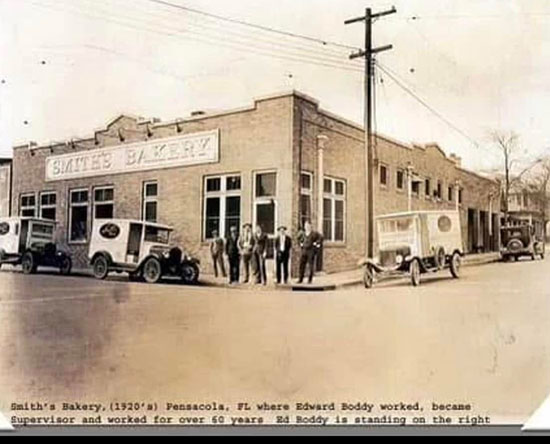
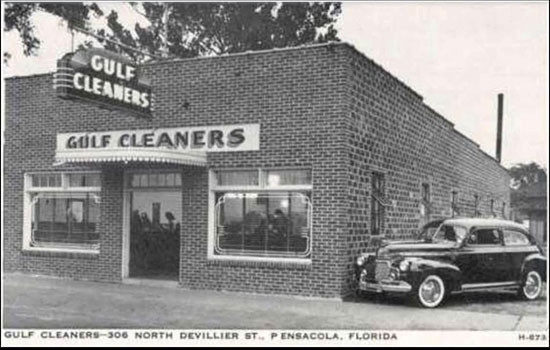
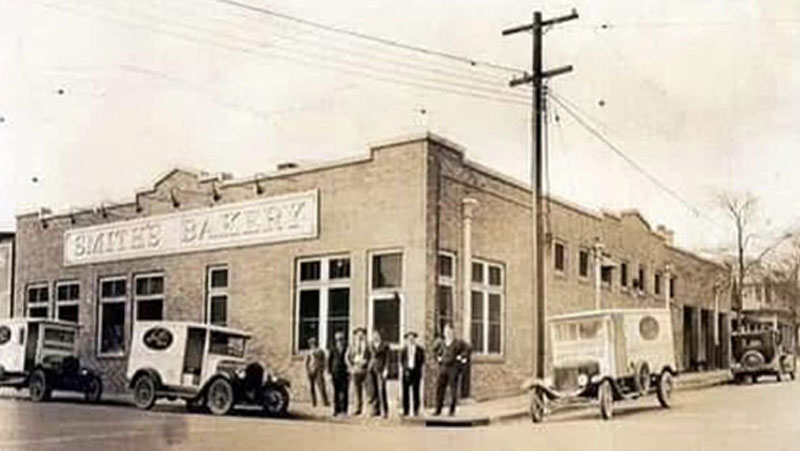
By day, DeVilliers Street buzzed with Black owned businesses. Barbershops, bakeries, tailors, doctors’ offices, beauty salons, and churches created a self-sustaining community. By night, the Blocks transformed into one of the most vibrant entertainment districts in the Gulf South.
At the center of it all stood the Belmont Theatre. Opened in the early 20th century, it became a crown jewel of black entertainment in Northwest Florida and a key stop on what was known as the “Chitlin Circuit.”
So, what exactly was the Chitlin Circuit? During segregation, black musicians, comedians, and performers could not safely perform everywhere. The Chitlin Circuit was an informal, but well-known, network of theaters, clubs, and juke joints across the South and Midwest where black artists could perform, eat, sleep, and move freely. These venues helped launch and sustain careers that would eventually shape American music and culture.

And yes, some very big names passed through Pensacola.
The Blocks hosted some of the most important artists this nation has ever produced – black musicians who altered the course of the American culture. Legends like Ray Charles, Louis Armstrong, Aretha Franklin, James Brown, Percy Sledge, Ike and Tina Turner, and many others performed on stages along DeVilliers Street. Some were just getting started. Some were already stars. All of them contributed to nights locals still talk about decades later. The music spilled onto the sidewalks, drifted through open windows, and turned the Blocks into an after dark magnet that rivaled much larger cities.
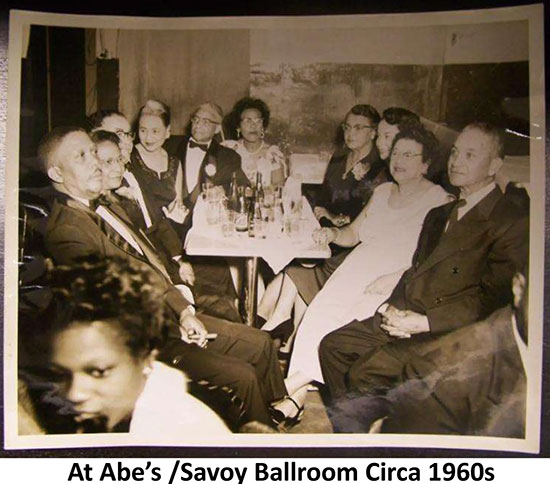
The sound moved block to block. Gussie’s Record Shop was where new music arrive¬¬-d first. WBOP Radio Station carried it across the airwaves. At night, Abe’s 506 delivered raw, close-up blues, the Bunny Club kept dancers moving until morning, and the Savoy Ballroom brought elegance, big bands, and packed dance floors. Together, they created a rhythm that earned Belmont-DeVilliers its nickname as the Harlem of the South.
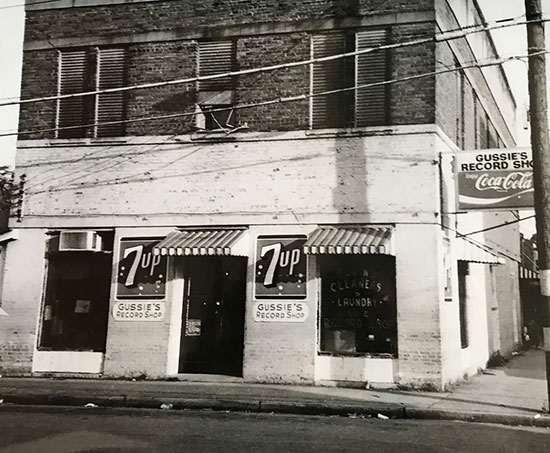
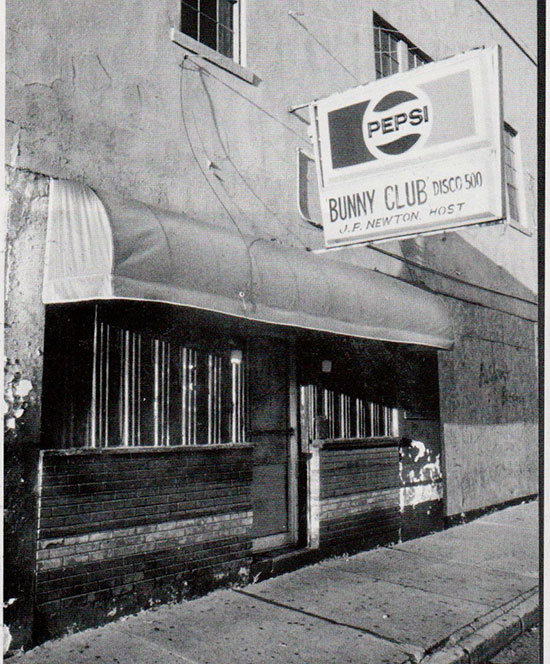
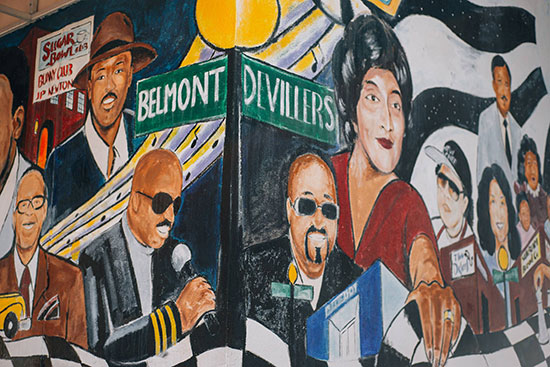
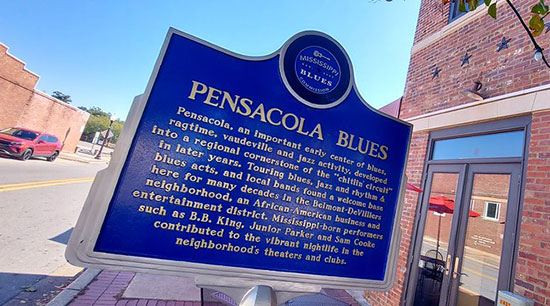
Time and change eventually quieted the street, but the story never stopped. Today, murals, festivals, and historic recognition, including its place on the Mississippi Blues Trail, celebrate the neighborhood’s lasting influence.
Five Sisters Blues Cafe now sits where Gussie’s Record Shop and WBOP Radio once stood, blending soul food, live music, and history under one roof. And some legends never left. Blue Dot Barbeque, serving DeVilliers Street since the 1940s, still turns out one of the best burgers in the South, no frills required.
Belmont-DeVilliers remains a living neighborhood, shaped by resilience, creativity, and community. As Pensacola Energy continues serving the city around it, the Blocks remind us that the lines providing energy today run through streets that have powered Pensacola’s culture for generations.
Sorry, the comment form is closed at this time.