



12 Dec Lighting the Way: How Pensacola Became a Natural Gas City
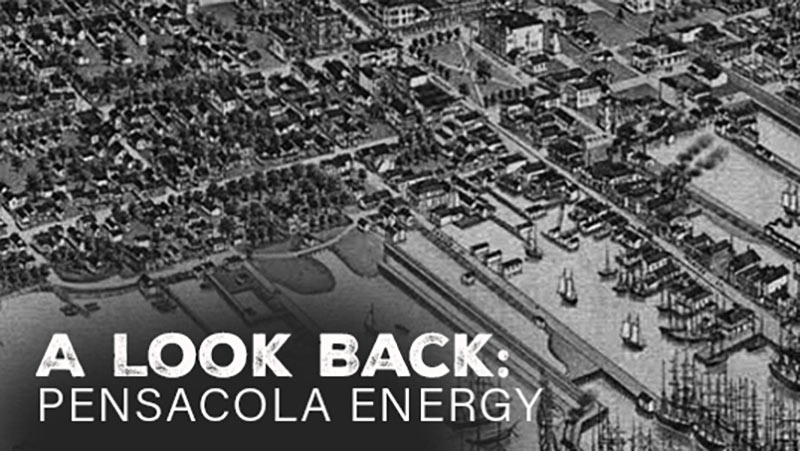
Long before it was second-nature to flip a light switch or twist a knob to start a stove, Pensacola was already being powered by gas. But not in the way you think of it today.
Energy has always shaped this city—from the bustling waterfronts of the 19th century to the factories that fueled industry and the homes that kept families warm. Few residents today realize that Pensacola’s connection to gas stretches back more than 140 years, before electricity became commonplace and even before natural gas as we know it flowed through our streets.
Today, Pensacola Energy stands as one of Florida’s oldest and most respected natural gas systems. But its story begins in 1884, with a small company, a big idea, and a city on the cusp of modernization.
1884: A New Light on the Waterfront
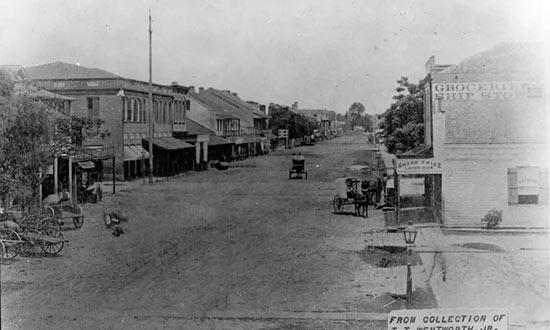
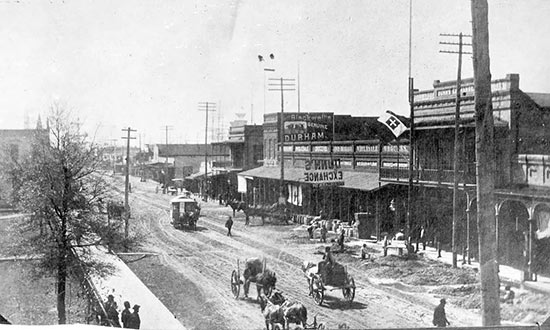
Picture a chilly winter evening in Pensacola, 1884. Horse-drawn carriages rattle along the cobblestones, and the waterfront hums with the activity of sailors, merchants, and laborers. Inside homes, families gather around flickering oil lamps or huddle near smoky wood stoves, trying to stay warm and see what they are cooking. Fires break out in the city daily, destroying homes and businesses alike. Life is hard, and energy is expensive.
But change is coming.
A group of investors led by W.W. Gibbs has just opened the Pensacola Gas Company, promising a new kind of fuel that will impact the city forever.
Back then, the company’s product wasn’t natural gas as we know it. It was “water gas,” a manufactured fuel made by heating coal and running the vapors through water. Strange as it may sound today, water gas allowed people to light their homes brighter and heat them more cleanly than ever before. Gas lamps with sixty-candlepower brilliance sold for two dollars, heating cost one dollar and fifty cents per thousand cubic feet, and homeowners could even get fifty feet of piping installed to their homes for free—a small gesture that made a big difference in bringing gas into people’s lives.
For a city used to smoky coal and wood fires and flickering lanterns, gas was a small miracle.
Lighting Up Downtown
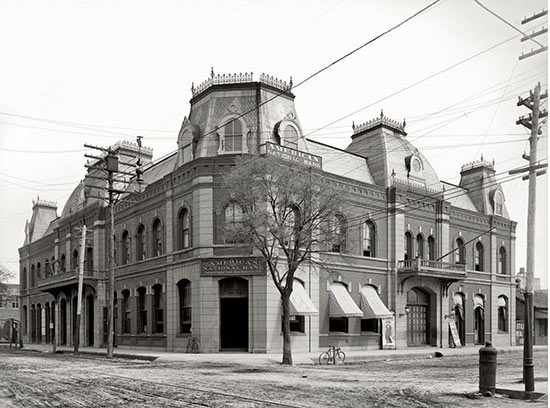
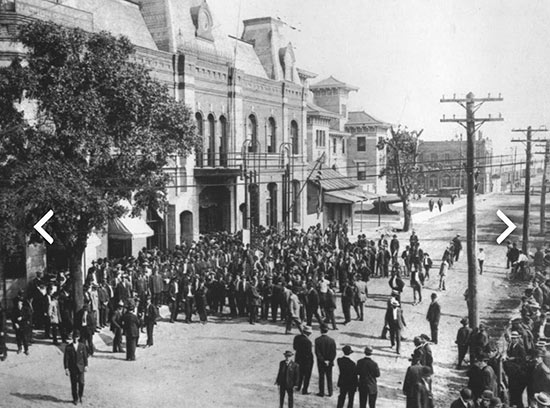
The timing couldn’t have been better. About the same time that the Pensacola Gas Company opened, the Pensacola Opera House was welcoming its first audiences to its new venue (now gone) on the corner of Jefferson and Government streets, across from Plaza Ferdinand. Large crowds flocked to see performances, but leaving the theater meant navigating pitch-black streets. Gas streetlights were installed almost immediately, casting a warm glow over downtown and helping people navigate safely. These streetlights brought not just light – but life – to the city at night. For nearly twenty years, gas lamps lit the city’s streets, quietly shaping Pensacola’s evenings before electricity began to take over.
Some of these early installations have survived time itself. A few historic homes in the North Hill district have maintained the exposed gas piping tucked along doorways or behind walls, silent witness to a time when turning on the lights meant more than just a flick of a switch.
1933: A Pipeline to Progress
Fast forward to the early 1930s. Industrial development in the city is now booming. The Armstrong Cork Company, a major new employer, has just opened a large manufacturing plant and needs a steady, high-quality source of heat. The old water gas system is no longer up to the task, and industrial leaders begin searching for a modern solution.
Working with the Pensacola Chamber of Commerce, they pursue a very bold idea: run a pipeline from the Texas gas fields near Corpus Christi all the way to Pensacola.
In 1933, the United Gas Pipeline Company’s pipeline project delivers the first flow of natural gas to the city. Factories convert first, followed by homes and businesses across Pensacola. Efficiency improves, costs drop, and the city officially turns the page from water gas to a modern, reliable energy source. The original Pensacola Gas Company closes, but its legacy lives on in the city’s glowing streets and heated homes.
A Municipal Vision Takes Shape
Recognizing the potential of natural gas, the City of Pensacola establishes its own municipal natural gas utility in the years that follow. The goal is clear: build a strong distribution network to reach new neighborhoods and business districts. The city invests in infrastructure that will last decades, ensuring that energy remains accessible and reliable for every resident and business.
As pipelines snake across town, Pensacola is becoming more than a city with gas—it is becoming a city powered by progress. This foundation would eventually become Pensacola Energy.
Fueling Growth: 1960s–1970s
By the 1960s, Pensacola’s population is booming, as is the demand for natural gas. Energy Services of Pensacola, as the utility was then called, keeps pace by expanding pipelines, improving reliability, and partnering with local manufacturers. Businesses adopt natural gas for efficiency, and the utility plays a pivotal role in supporting the city’s economic growth.
Modernization and Innovation: 1980s–1990s
The 1980s and 1990s bring modernization. Advanced metering, polyethylene piping, and new safety measures ensure that natural gas remains safe and dependable. Customer service innovations make it easier for residents and businesses to manage their own energy use, and the utility becomes a trusted partner in both homes and industry.
A Cleaner Future: 2000s and Beyond
As environmental awareness rises, Pensacola Energy embraces natural gas’s reputation as one of the cleanest-burning fossil fuels. Investments in compressed natural gas infrastructure include the city’s first 24/7 public CNG station for commercial fleets and the public, as well as a private CNG station for municipal vehicles. The utility leads the way in clean transportation, helping the city reduce its environmental footprint.
Powering a Thriving Community
Today, Pensacola Energy continues to deliver clean, reliable, and affordable energy to homes and businesses across Escambia County. Beyond service, the utility supports youth programs, schools, community initiatives, and partnerships that strengthen the city.
Pensacola Energy has always been about more than energy—it’s about powering a community, fueling progress and lighting the way for future generations.
Then and Now: A Century of Change
It’s fascinating to think about the contrast. In 1884, lighting a single home meant installing a water gas lamp and navigating piping from the street. Today, homes turn on a stove or heat a room with a simple flick, backed by a network of pipelines that stretch safely beneath the streets. Factories once struggled to maintain heat; now industrial operations can count on reliable, high-demand gas service that fuels growth and innovation.
Through every era, from coal-derived water gas to modern natural gas, Pensacola Energy has been more than just a utility. It has been a partner in the city’s growth, a supporter of families and businesses, and a pioneer in sustainability.
Pensacola Energy is here to serve the city it has powered for more than a century, and it looks forward to fueling the next hundred years of growth, innovation, and community pride.
Sorry, the comment form is closed at this time.