



17 Nov A History of the Pensacola Fire Department
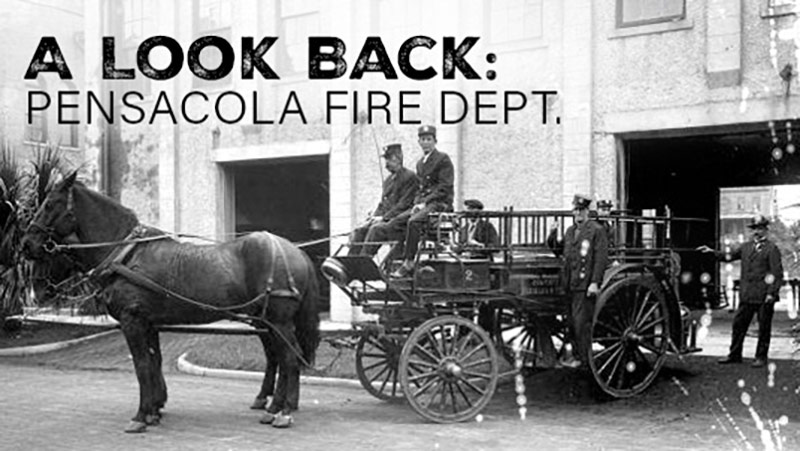
Firefighting in Pensacola has deep roots that reach back more than two centuries. The city’s first known fire protection efforts began in 1810, when Spanish officials imported two fire engines, fifty leather buckets, hoses, and nozzles from a British firm to help safeguard the growing settlement. These early tools marked the beginning of organized fire service in the region. A decade later, in 1821—when Florida transitioned from Spanish to U.S. control—a formal volunteer firefighting brigade was established, making Pensacola one of the earliest cities in the state to organize such a force.
Throughout the 19th century, volunteer firefighters were the city’s only line of defense against fire. These citizens risked their lives to protect the community with limited equipment and manpower. In 1870, Pensacola took a major step forward with the formation of the Germania Steam Fire Engine and Hose Company. Headquartered at 17 East Zaragoza Street, Germania represented the city’s first modern firefighting force, equipped with steam-powered engines that could pump water far more efficiently than traditional hand pumps or bucket brigades. Germania’s creation marked the beginning of a more coordinated and capable response system, setting the stage for future growth.
On December 11, 1880, Pensacola endured one of the darkest days in its history when a devastating fire swept through downtown. Beginning in Simon Damiani’s confectionery shop and, fueled by strong winds, the fire quickly consumed block after block along Palafox Street. Within hours, more than 100 buildings were reduced to ashes, including the U.S. Customs House, the Escambia County Tax Collector’s office, the Moreno Building, N.B. Cook & Company, F.C. Brent’s bank, Dunn’s Exchange, the Merchants’ Hotel, and the offices of the Pensacola Gazette and the Pensacola Telephone Exchange.
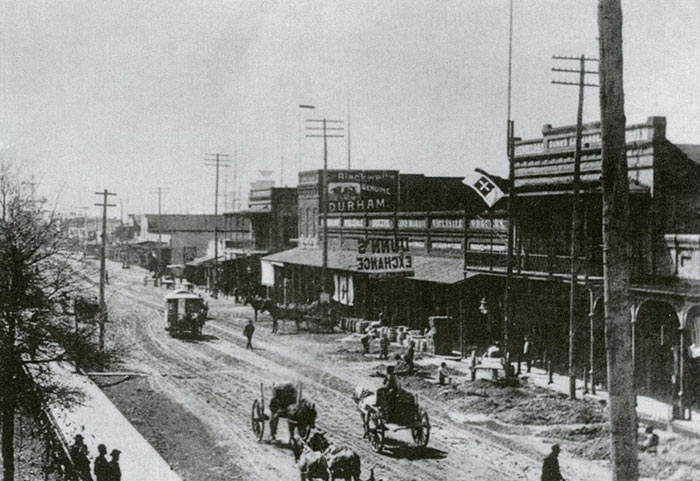
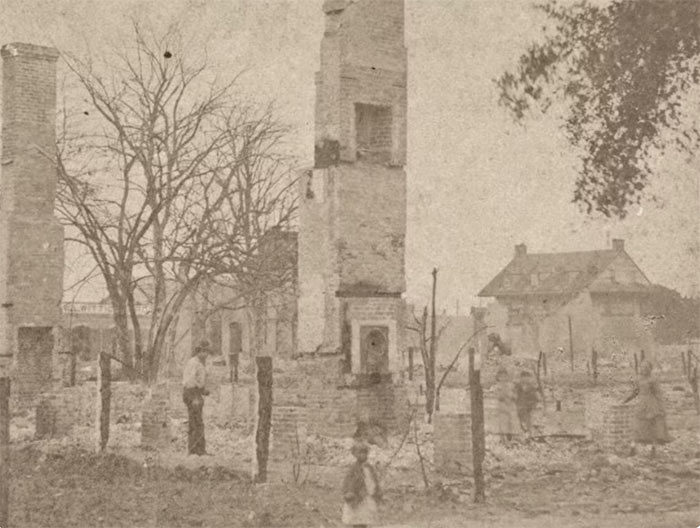
With the city’s only steam-powered fire engine under repair, desperate citizens formed bucket brigades to battle the inferno, but the fire raged out of control, destroying nearly 90% of the commercial district and causing between $500,000 and $1 million in damage. The fire also claimed two lives, including the wife of the confectioner where the blaze began. The catastrophe exposed the city’s vulnerability and prompted a complete rethinking of fire safety, leading to dramatic changes in construction practices during the rebuilding: timber gave way to brick and cast iron, creating more fire-resistant structures that still define downtown Pensacola’s historic core.
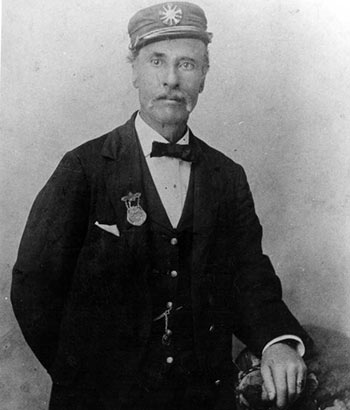
In the years following the Great Fire, Pensacola’s leaders recognized the need for a more organized and dependable fire response that could keep up with the city’s growing size and evolving needs. On January 1, 1898, Pensacola entered a new era with the establishment of its first full-time, paid fire department under the leadership of Chief John Baker. This milestone transformed firefighting from a civic duty into a professional career, ensuring round-the-clock protection and ushering in modern standards of training and equipment. The men who served in this first paid department built upon the bravery of those who came before them, forging a legacy of courage and service that continues today.

Sorry, the comment form is closed at this time.